

Publication Date: March 20, 2025
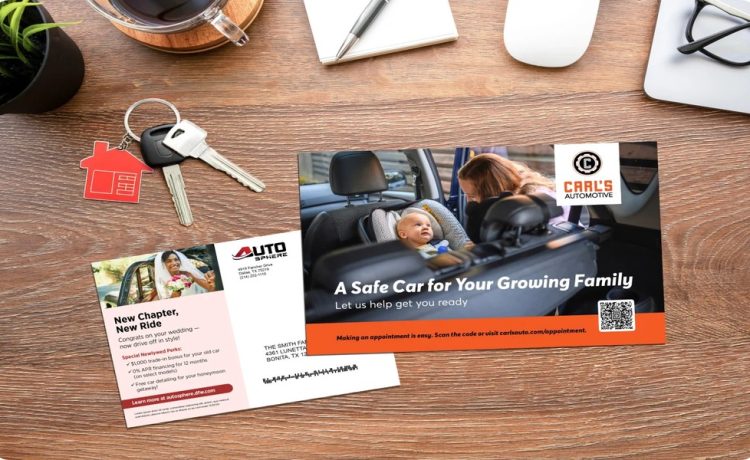
Direct mail marketing is still one of the most practical ways for small businesses to reach new customers. Even with the rise of digital marketing, printed mail can stand out because people receive fewer letters than emails. Many business owners work with direct mail companies to help design, print, and deliver their campaigns to the right audience. When used the right way, direct mail can introduce your brand, promote your services, and encourage people to try your business.
Below are simple and effective tips that can help you plan a direct mail campaign that attracts leads and turns them into loyal customers.
Understanding Direct Mail Marketing for Small Businesses
What Is Direct Mail Marketing?
Direct mail marketing is a form of advertising where businesses send printed materials straight to potential customers through the mail. These materials can include postcards, brochures, catalogs, coupons, or promotional letters.
Unlike general advertising, direct mail focuses on sending messages directly to specific people or households. This approach helps businesses communicate their offers in a more personal way. For example, a local restaurant may send discount coupons to nearby homes, or a service company may send postcards introducing their business to a new neighborhood.
Direct mail works well because it is physical and easy to notice. Many people quickly delete emails or skip online ads, but a well-designed mail piece often gets at least a few seconds of attention. This small moment can be enough to spark interest and bring in new customers.
Why Direct Mail Still Works Today
Some business owners think direct mail is outdated, but it continues to produce strong results when used correctly. One reason is that it feels more personal. A letter or postcard delivered to someone’s home can create a stronger connection than a digital ad.
Another benefit is visibility. Emails often get lost in crowded inboxes, while a printed piece of mail sits on a table or counter where it may be seen several times. This repeated exposure can help people remember your brand.
Direct mail also allows you to include clear calls to action, such as discount codes, limited-time offers, or invitations to visit your store or website. When the message is clear and the offer is appealing, many people are willing to give a new business a try.
Practical Direct Mail Tips to Attract and Convert Customers
1. Understand Your Target Customers
The first step in any successful marketing effort is knowing who your customers are. When you understand the people most likely to buy from you, it becomes much easier to create messages that appeal to them.
Basic details such as age, gender, family size, and income level are helpful starting points. For example, a toy store may focus on families with young children, while a fitness studio might target adults interested in health and wellness.
However, going deeper can make your marketing even stronger. Think about your customers’ lifestyles, hobbies, and spending habits. What kinds of products do they enjoy? What problems are they trying to solve? What motivates them to make a purchase?
When you understand these details, you can design mail pieces that speak directly to their needs and interests. This makes your marketing feel more relevant and increases the chances that people will respond.
2. Target Your Ideal Customer Instead of Everyone
In the past, many businesses believed the best strategy was to send mail to as many people as possible. The idea was simple: the more people you reach, the better your chances of finding buyers.
Today, this approach is less effective. Printing and postage costs continue to rise, and sending mail to people who are unlikely to be interested wastes valuable resources.
A better strategy is targeted marketing. This means focusing your campaign on people who are most likely to become customers. When you send mail only to the right audience, your response rate usually improves because the message reaches people who actually care about your offer.
For example, a home cleaning service may target homeowners rather than apartment renters. A pet grooming business may focus on households that own dogs. By narrowing your audience, you increase the chance that your mail will lead to real sales.
3. Choose the Right Mailing List
Your mailing list plays a major role in the success of your campaign. A high-quality list contains people who match the type of customer you want to reach.
There are several common types of mailing lists that businesses can use:
Specialty Lists
These lists focus on a specific group of people based on shared interests or characteristics. For example, a list may include new homeowners, pet owners, or people who recently moved into a neighborhood. This type of list helps you reach a very specific audience.
Custom Mailing Lists
Custom lists allow you to choose detailed customer criteria. You may select people based on age, location, income range, or buying habits. This level of control helps you create a list that closely matches your ideal customer.
Look-Alike or Cloned Lists
These lists are designed to find people who share similar traits with your current customers. If you already have a strong customer base, this method can help you discover new prospects who are likely to respond to your offers.
Choosing the right list takes time and research, but it greatly improves the effectiveness of your direct mail campaign.
4. Create a Clear and Professional Mail Piece
Once your mailing list is ready, the next step is creating the message that will reach your audience. Your mail piece should clearly represent your brand and communicate the value of your offer.
Start with a strong headline that quickly explains what you are offering. People should be able to understand your message within a few seconds. Simple language often works best because it makes the message easy to read and remember.
The design should also match the type of business you run. If you provide professional services, your mail piece should look clean and polished. If you run a fun or creative business, you may choose brighter colors and engaging images.
Most importantly, include a clear call to action. Tell readers exactly what you want them to do next. This could be visiting your store, calling your business, scanning a QR code, or using a coupon.
A small incentive, such as a discount or limited-time offer, can encourage people to take action right away.